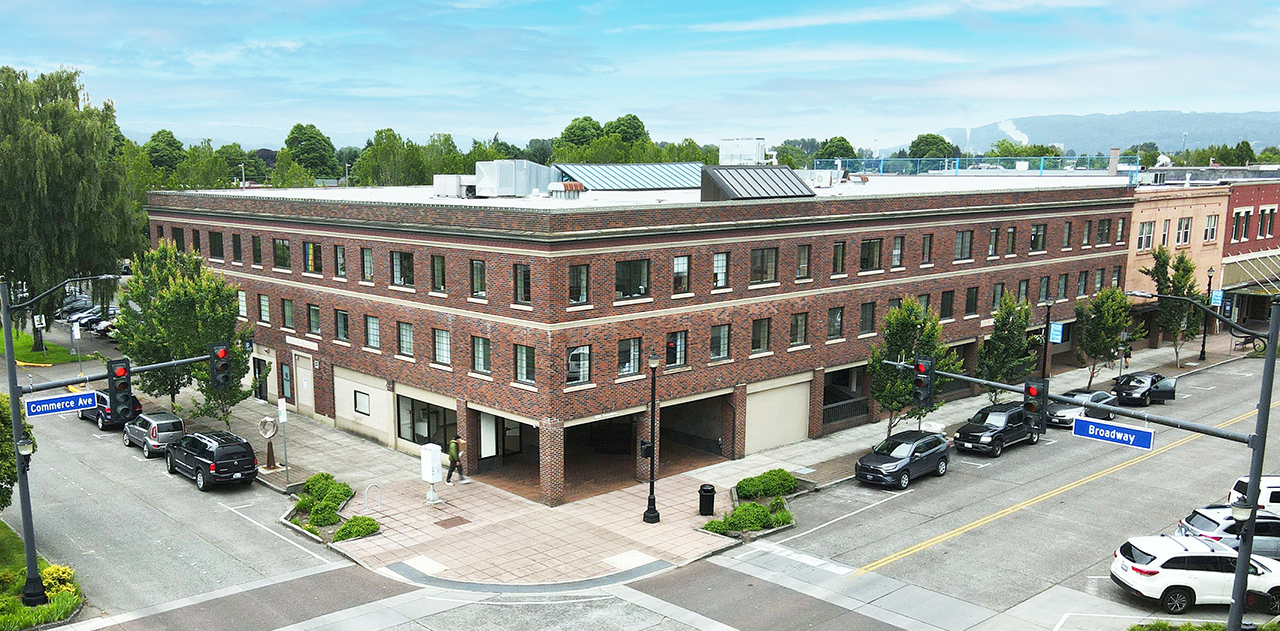

Market Shifts, Opportunities, and What Investors Should Prepare For in 2026

Washington State Commercial Real Estate Update – December 2025 As we wrap up 2025, Washington State’s commercial real estate market is closing the year with a mix of stabilization, strategic repositioning, and emerging pockets of opportunity. While some sectors continue to feel the pressure of evolving workplace and consumer behavior, others are gaining momentum heading into 2026. Whether you’re an investor, owner-user, or simply keeping an eye on Washington’s CRE landscape, here’s what you need to know this December.     🏢 Office Market: Reset, Rebuild, and Re-Envision Washington’s office sector—especially in Seattle and Bellevue—continues its slow recalibration. While vacancy remains elevated, the story isn’t all negative. Key December highlights: Hybrid work remains the norm, continuing to reduce overall space demand. Tenants are choosing quality over quantity, prioritizing Class A buildings with amenities, transit access, and sustainability certifications. Subleases are still competitive, offering cost savings for tenants with flexible requirements.   Opportunity Insight: 2025 saw a surge in creative repositioning, from older office towers being converted into mixed-use spaces to suburban flex-office gaining renewed attention. Investors with vision—and patience—may find strong long-term buys in well-located assets trading at discounted prices.   🏭 Industrial & Logistics: Still the Powerhouse of WA CRE Industrial continues to dominate Washington’s commercial landscape, especially in Kent Valley, Tacoma/Fife, Spokane, and along the I-5 corridor. What’s happening this month:   Demand remains high, fueled by e-commerce, distribution, aerospace suppliers, and cold storage. Vacancy remains tight in many submarkets despite new deliveries. Rent growth has moderated, but remains positive and stable compared to other CRE sectors.   Investor Angle: Industrial remains a reliable, lower-volatility asset class. While cap rates have softened since the peak of 2021–2022, well-located properties with modern specs remain highly attractive.   🏬 Retail: Surprisingly Resilient and Hyper-Local Washington’s retail market continues to outperform expectations going into December. Why? Consumers have returned to in-person shopping and dining—especially in community and neighborhood centers. Experiential retail, medical office, and service-based tenants remain strong demand drivers. Grocery-anchored centers saw some of the lowest vacancies in 2025.   Hot trend: Local small businesses are filling gaps left by national brands, giving WA retail a more local, community-focused identity. 🏠 Multifamily: Cooling, Stabilizing, and Creating Opportunity After years of rapid rent escalation, Washington’s multifamily market has cooled, allowing it to stabilize. What we’re seeing in late 2025: Rent growth is modest but steady. New supply is increasing competition in urban cores like Seattle, Bellevue, and Tacoma. Suburban markets—Redmond, Lacey, Puyallup, and Spokane—remain attractive to renters seeking affordability.   Developer Perspective: Higher construction costs and stricter lending are pushing developers to be more conservative. This slowdown may create a more balanced market by late 2026.   📉 Interest Rates & Capital Markets: Signs of Easing December brings cautious optimism as the commercial lending landscape slowly improves. Rates have stabilized after aggressive hikes earlier in the year. Investors are returning, especially for value-add, industrial, and necessity-based retail projects. Lenders remain conservative but are showing more willingness to finance well-underwritten deals.   🔍 What to Watch Moving Into 2026 As Washington enters the new year, here are the top trends to keep on your radar: More conversions and adaptive reuse, especially in the downtown Seattle office market. Steady industrial absorption, driven by logistics, clean tech, and aerospace. Multifamily stabilization, with some markets poised for renewed rent growth in mid-2026. Retail redevelopments, especially in aging power centers and mall properties. A friendlier capital market, pending the Federal Reserve’s 2026 rate trajectory. 💡 Final Thoughts December 2025 marks a turning point. Washington’s commercial real estate market is moving from uncertainty toward rebalancing and opportunity. Savvy investors and business owners who understand current dynamics—and act with strategic timing—will be well-positioned as the market prepares for a new cycle in 2026.


The Top 5 Reasons You Need a Real Estate Agent when Buying a commercial property

The Top 5 Reasons You Need a Real Estate Agent when Buying a commercial property You may have recently seen news stories concerning real estate agents and commission negotiations. And if you’re following along, things might become a little tricky. But here’s what you actually need to know: competent guidance from a qualified real estate agent is more valuable than ever. This is why. A real estate agent does a lot more than you would think. Your agent will walk you through each stage of the commercial property-buying process, looking out for your best interests along the way. They simplify a complicated procedure and alleviate the majority of the stress associated with what will most likely be your greatest purchase ever. That’s precisely what you want and deserve. 1. Expertise and Experience Commercial real estate transactions are complex and require a deep understanding of market trends, zoning regulations, legal intricacies, and financial considerations. A real estate agent specializing in commercial properties brings years of experience and expertise to the table, ensuring that you make informed decisions throughout the buying process. 2. Access to Exclusive ListingsReal estate agents often have access to exclusive listings that may not be publicly advertised. These off-market opportunities can give you a competitive edge in finding the perfect commercial property that meets your specific criteria. 3. Negotiation Skills Negotiating the purchase price and terms of a commercial property can be challenging. A skilled real estate agent will negotiate on your behalf to secure the best possible deal, leveraging their knowledge of market conditions and industry standards to achieve favorable outcomes. 4. Network of ProfessionalsBuying commercial property involves working with various professionals, including lenders, inspectors, appraisers, and attorneys. A reputable real estate agent will have a network of trusted professionals they can recommend, streamlining the buying process and ensuring that all aspects of the transaction are handled efficiently. 5. Save Time and MoneyAttempting to navigate the complexities of buying commercial real estate without professional assistance can be time-consuming and costly. A real estate agent will help you avoid common pitfalls, identify potential risks, and guide you through each stage of the buying process, ultimately saving you both time and money in the long run. Bottom line. Real estate agents are experts, instructors, and negotiators. They adapt to market trends and keep you updated. Remember that any time you make a major choice in your life, particularly one involving money, you should get the assistance of a professional. Expert guidance from a reputable specialist is invaluable. Contact My Puget Sound Commercial for all your commercial real estate needs.

The best thing to do if you want to invest in Commercial Real Estate for the future

The best thing to do if you want to invest in Commercial Real Estate for the future In the realm of investment opportunities, commercial real estate stands out as a lucrative option for those seeking long-term growth and stability. Whether you’re a seasoned investor or just starting to dip your toes into the world of real estate, understanding how to navigate this market can be the key to building a successful investment portfolio for the future. In this blog post, we’ll explore what it takes to invest in commercial real estate and how you can position yourself for success.   Understanding Commercial Real Estate Before diving into investment strategies, it’s crucial to have a solid understanding of what commercial real estate entails. Unlike residential properties, commercial real estate encompasses a wide range of property types, including office buildings, retail spaces, industrial warehouses, and multifamily apartment complexes. Each of these sectors offers unique opportunities and challenges for investors.   Research and Due Diligence Like any investment, thorough research and due diligence are essential when considering commercial real estate. This involves studying market trends, analyzing property performance metrics, and assessing potential risks. Factors such as location, vacancy rates, rental yields, and economic indicators can all influence the viability of an investment.   Additionally, conducting property inspections and reviewing financial records can provide valuable insights into the condition and potential profitability of a commercial property. Working with experienced real estate professionals, such as brokers, appraisers, and property managers, can also help streamline the due diligence process and provide expert guidance.   Developing an Investment Strategy Once you’ve conducted your research and identified potential investment opportunities, it’s time to develop a clear investment strategy. This involves setting realistic investment goals, determining your risk tolerance, and outlining your investment criteria. Are you looking for stable, income-producing assets, or are you willing to take on higher risks for the potential of greater returns?   Furthermore, consider whether you want to invest directly in commercial properties or opt for indirect investment vehicles such as real estate investment trusts (REITs) or real estate crowdfunding platforms. Each approach offers its own set of advantages and drawbacks, so it’s essential to choose the option that aligns with your investment objectives and preferences.   Financing Your Investment Commercial real estate investments typically require substantial capital, so it’s essential to explore financing options that best suit your needs. Traditional lenders such as banks and credit unions offer commercial mortgages with competitive interest rates and terms, but they often require significant down payments and stringent qualification criteria.   Alternatively, you may consider alternative financing options such as private lenders, crowdfunding, or syndication deals. These options can provide more flexibility and accessibility for investors, but they may come with higher interest rates or equity requirements.   Managing and Monitoring Your Investment Once you’ve acquired a commercial property, the work doesn’t stop there. Effective property management is crucial for maximizing returns and ensuring the long-term success of your investment. This involves tasks such as tenant screening, lease negotiations, property maintenance, and financial reporting.   Furthermore, it’s essential to continually monitor market conditions and property performance to identify any emerging trends or challenges that may impact your investment. Regularly reviewing financial statements, conducting property inspections, and staying informed about local market dynamics can help you make informed decisions and adapt your investment strategy as needed.   Conclusion Investing in commercial real estate offers the potential for substantial returns and long-term wealth accumulation. However, it requires careful planning, diligent research, and a willingness to adapt to changing market conditions. By understanding the fundamentals of commercial real estate investment and implementing a strategic approach, you can position yourself for success and build a robust portfolio for the future.

Benefits of Investing in Commercial Property

Benefits of Investing in Commercial Property Investing in commercial property can offer a range of benefits for investors. Here are some key advantages: Income Generation: Commercial properties, such as office buildings, retail spaces, and industrial facilities, often generate rental income. This regular cash flow can provide a stable source of income for investors. Higher Rental Yields: Commercial properties generally have higher rental yields compared to residential properties. This means that the rental income, as a percentage of the property’s value, is often more substantial. Longer Leases: Commercial leases typically have longer durations than residential leases. This stability in tenancy can provide a more predictable income stream for investors. Triple Net Leases: In many commercial property leases, tenants are responsible for paying operating expenses, such as property taxes, insurance, and maintenance costs. This can relieve the landlord of some financial responsibilities and provide a more consistent net income. Appreciation Potential: The value of well-located and well-maintained commercial properties can appreciate over time. As the surrounding area develops and the demand for commercial space increases, the property’s value may rise. Diversification: Commercial real estate provides diversification within an investment portfolio. It can act as a hedge against the volatility of other asset classes, such as stocks and bonds. Tax Benefits: Investors may be eligible for various tax advantages, including depreciation deductions, interest deductions, and the ability to defer capital gains through 1031 exchanges. Professional Relationships: Investing in commercial real estate often involves building relationships with business professionals, such as property managers, leasing agents, and commercial lenders. These connections can provide valuable insights and opportunities for future investments. Inflation Hedge: Commercial property values and rental income have the potential to increase with inflation. As the cost of living rises, so does the value of real assets like commercial real estate. Control Over Property Value: Unlike some other investments, investors often have more control over the value of commercial properties through effective management, improvements, and strategic leasing. It’s important to note that investing in commercial real estate also comes with risks, such as economic downturns, vacancy issues, and property management challenges. Thorough research, due diligence, and a clear understanding of the local market are crucial for successful commercial property investments. #MyPugetSoundCommercial #AustinScarsella #CommercialProperty #CommercialRealEstate #InvestingAdvantages #FinancialFreedom

Navigating the Shifting Tides: Commercial Real Estate Insights for January

Navigating the Shifting Tides: Commercial Real Estate Insights for January Introduction: As we step into the new year, the commercial real estate landscape continues to evolve in response to dynamic market forces and the lasting impacts of the global pandemic. In this January edition of our commercial real estate blog, we delve into key trends, emerging challenges, and strategic considerations to help you navigate the shifting tides of the industry. 1. The Hybrid Work Revolution: Redefining Office Spaces The pervasive shift toward hybrid work models is reshaping the demand for office spaces. Explore how businesses are adapting to flexible work arrangements and what it means for the future of commercial real estate. From reimagining office layouts to understanding the changing needs of tenants, we dissect the implications of the hybrid work revolution on commercial property dynamics. 2. Market Spotlight: Washington State Gain insights into the current state of commercial real estate in Washington. We explore market trends, notable transactions, and factors influencing the region’s property landscape. Whether you are an investor, developer, or occupier, understanding the local market is crucial for making informed decisions. 3. Adaptive Reuse: Transforming Spaces for a New Era Discover how adaptive reuse projects are gaining momentum in the commercial real estate arena. From repurposing industrial buildings to transforming retail spaces, we explore innovative examples of adaptive reuse and the opportunities they present for investors and developers. 4. Sustainability in Commercial Real Estate: A Growing Imperative The focus on sustainability is no longer a trend but a fundamental aspect of commercial real estate. We discuss the rising importance of sustainable practices, green certifications, and the impact on property values. Learn how incorporating eco-friendly initiatives can enhance the attractiveness of your commercial properties. 5. Tech Trends Shaping the Future of CRE Technology continues to be a driving force in the commercial real estate sector. From virtual property tours to blockchain in transactions, we explore the latest tech trends influencing the industry. Stay ahead of the curve by leveraging cutting-edge technologies to streamline operations and enhance tenant experiences. Conclusion: Navigating Forward As we embark on a new year filled with both challenges and opportunities, staying informed is key to making strategic decisions in the commercial real estate space. Keep an eye on our blog for monthly updates, market analyses, and expert insights to guide you through the ever-evolving landscape. Here’s to a successful and prosperous 2024 in the world of commercial real estate!

Navigating the Currents: Commercial Real Estate Insights in Washington State – December 2023

Navigating the Currents: Commercial Real Estate Insights in Washington State – December 2023 Introduction: As we bid farewell to 2023, the commercial real estate landscape in Washington State continues to evolve. In this month’s blog, we’ll delve into key trends, market updates, and noteworthy developments shaping the sector. From Seattle’s bustling urban scene to the state’s diverse regions, let’s explore what December has in store for commercial real estate professionals and investors.   Seattle Skyline: A Beacon of Growth Seattle, the Emerald City, remains at the forefront of commercial real estate activity. With the skyline dotted with cranes, new developments continue to reshape the cityscape. Our analysis this month will spotlight the latest projects, emerging neighborhoods, and the factors driving Seattle’s robust growth. Tech Titans and Office Spaces As technology companies thrive, the demand for office spaces in tech hubs like Redmond and Bellevue remains resilient. We’ll explore how the hybrid work model is influencing commercial real estate decisions and the strategies landlords are employing to attract and retain tenants in this dynamic environment. Retail Resilience: Navigating the Holiday Season December brings the holiday shopping season, and with it, an opportunity to evaluate the resilience of retail spaces. From traditional brick-and-mortar stores to e-commerce hubs, we’ll assess how Washington State’s commercial real estate is adapting to the changing retail landscape. Industrial Insights: Warehousing and Logistics The growth of e-commerce continues to drive demand for industrial spaces. Our blog will investigate how warehousing and logistics are evolving in Washington State, with a focus on key logistics corridors and the impact on industrial property values. Policy Perspectives: Legislative Updates December is often a time for reflection and anticipation. We’ll examine any legislative updates or policy changes that could impact the commercial real estate sector in Washington State. From zoning regulations to tax incentives, understanding the policy landscape is crucial for industry stakeholders. Investment Outlook: Opportunities and Challenges For investors seeking opportunities in Washington State, our blog will provide insights into the current investment landscape. We’ll discuss potential growth areas, risks to be mindful of, and strategies to navigate the market in the coming year.   Conclusion: As we conclude 2023, the commercial real estate market in Washington State reflects a dynamic interplay of urban development, technological shifts, and economic trends. Stay tuned as we unpack the nuances of December’s developments, providing a comprehensive overview for industry professionals and investors alike. Whether you’re a seasoned player or a newcomer to the market, understanding the forces at play is essential for success in Washington State’s commercial real estate arena.